Archeology
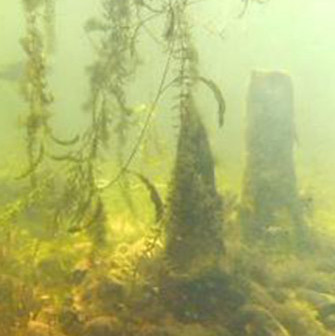
Discovering the temple in the largest lake in Japan
A search group in Shiga Prefecture, Japan, found the remains of a temple shrine dating back hundreds of years in the lake.
Browse ScienceInfo articles and explainers related to Ancient Temple.
49 published items.
A search group in Shiga Prefecture, Japan, found the remains of a temple shrine dating back hundreds of years in the lake.
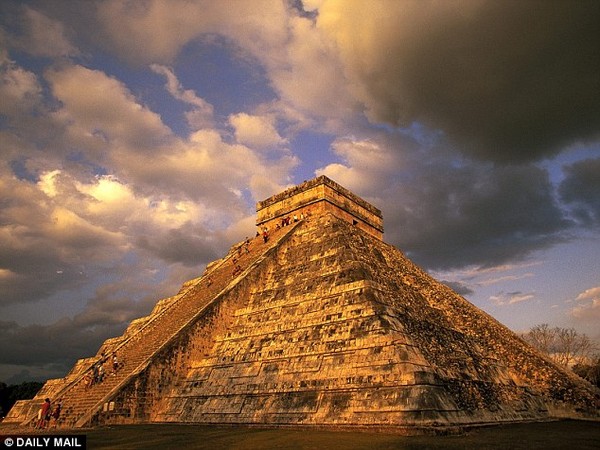
According to scientists, this sacred hole is capable of destroying the entire structure of the ancient Mayan pyramid.
Scientists unearthed three temples, possibly a place for ancient astrological activity, in a hilltop fort in the Republic of Armenia.
A group of people found the ruins of a temple built by ancient Egyptians 3400 years ago in the city of Giza, Egypt.
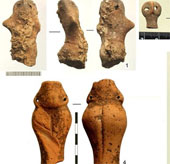
Many small statues like humans and remains of sacrificial animals have been discovered in a 6,000-year-old temple in Ukraine's prehistoric settlement.
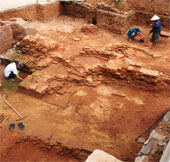
Many vestiges and artifacts show that a large temple complex in Qua Giang 2 village (Hoa Phuoc commune, Hoa Vang district, Da Nang) dates back to the 10th century.
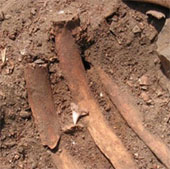
A 3,500-year-old ancient temple discovered by Peruvian archaeologists near the Huanchaquito Sea has shown sacrifices and decentralization in society at that time.
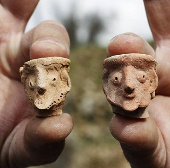
Israeli archaeologists have discovered an ancient temple from the kingdom of Judah (nearly 3,000 years ago) with many precious statues.
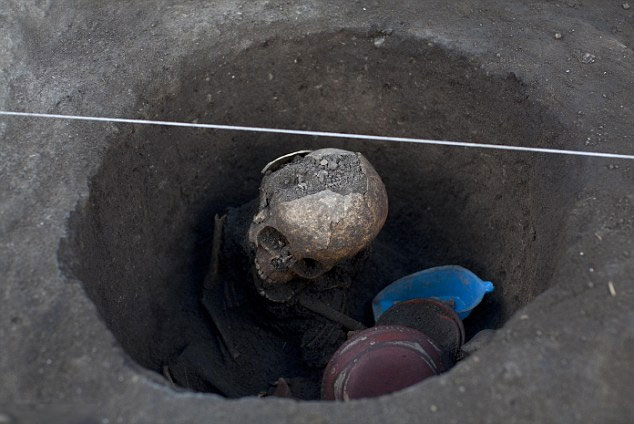
Archaeologists in Mexico City have unearthed skulls and other bones of 15 people, mostly children of street vendors during the Aztec period. The mysterious ancient tomb…
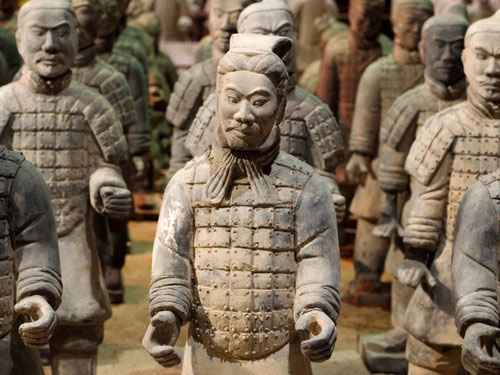
About 44,000 ancient relics, temples and cultural landmarks in China have disappeared, according to the country's first heritage survey over the past 20 years.
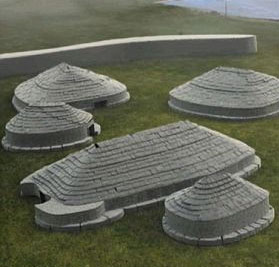
British archaeologists have found an ancient 5,000-year-old temple in Orkney (England), dating back to the 800-year-old Stonehenge temple. This temple is considered more…
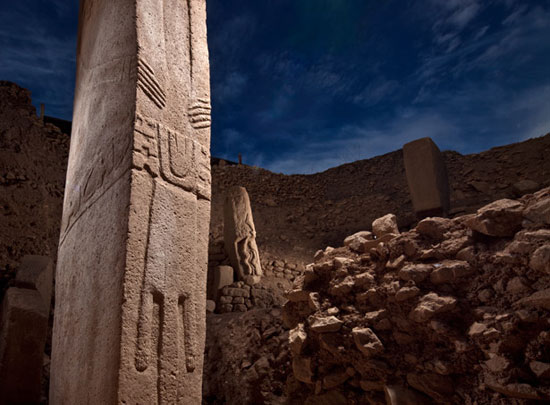
During the period of 11,000 - 6,000 years before BC, humans, despite having no tools or machines, could chisel and successfully build Gobekli Tepe temple in southeastern…
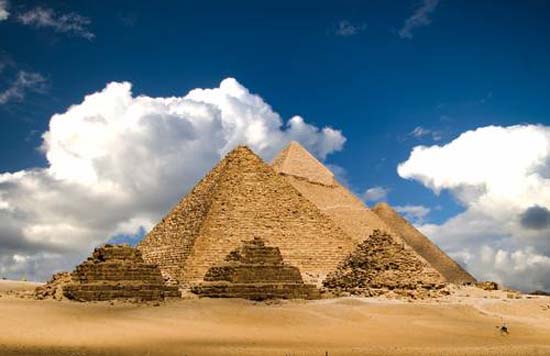
The mysteries dating back to ancient times have always been a puzzle of modern people, they are always stories that provoke public interest, perhaps because no one can e…

Archaeologists exploring an ancient military route in Sinai discovered 4 temples in the ruins of 3,000 years old of an ancient city.
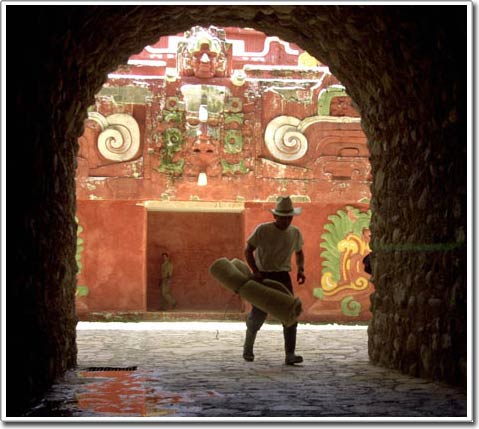
The Maya used a paint containing mica to bring out the sparkling beauty of the sun for their splendid temples. Scientists have discovered traces of this sparkling minera…